
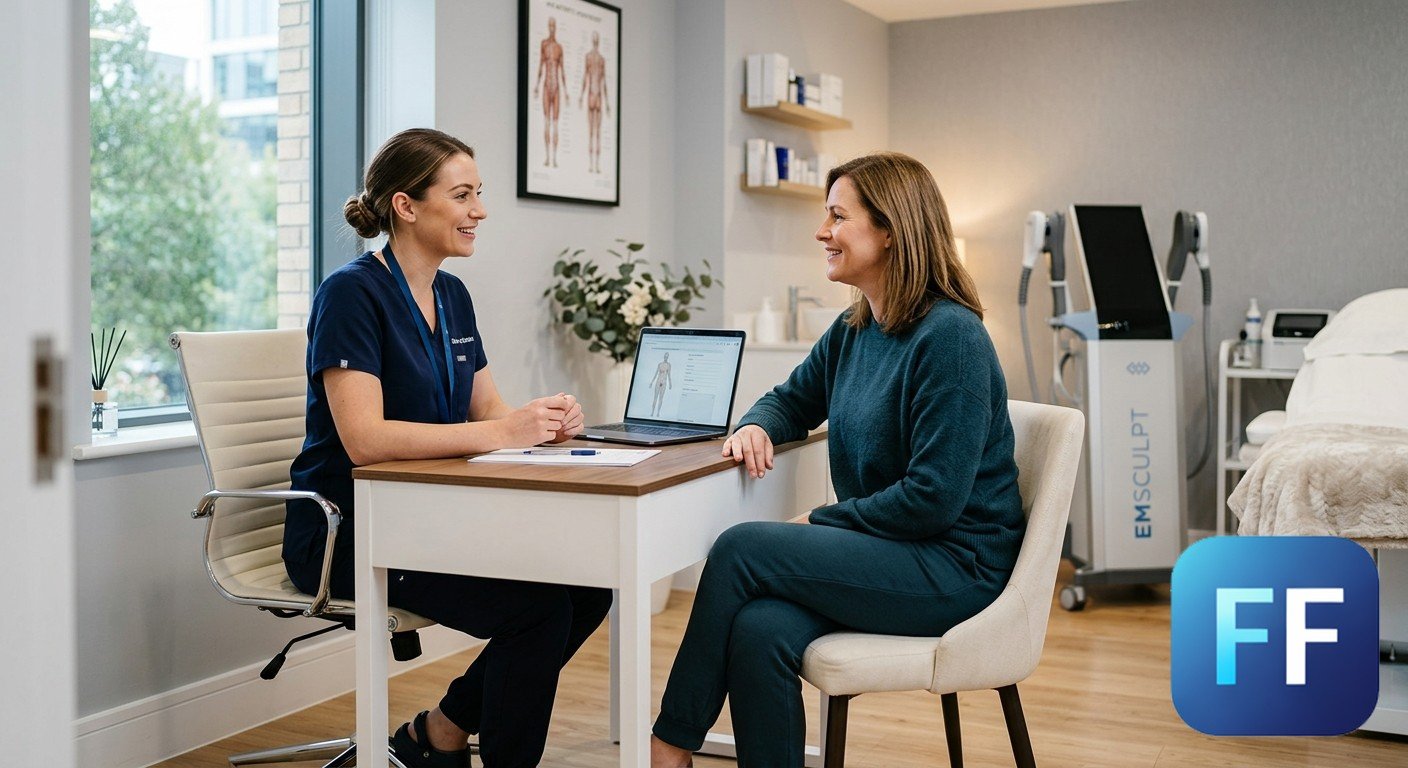
Is fat freezing safe?
For most suitable patients, the short answer is yes. Fat freezing, also known as cryolipolysis, is an FDA-cleared non-surgical treatment that uses controlled cooling to reduce small, localised areas of stubborn fat. It has been studied extensively and is generally considered safe when carried out by a properly trained professional using approved technology.
The reason it has gained so much attention is simple: it offers a way to target pinchable fat without surgery, general anaesthetic or a long recovery period. Unlike liposuction, there are no incisions, and most people return to normal daily activities straight after treatment. According to published clinical evidence and safety reviews, side effects are usually mild and temporary, while serious complications are rare. You can read more about the underlying science in peer-reviewed research available via PubMed and broader clinical summaries from the NCBI Bookshelf.
That said, “safe” does not mean “right for everyone”. Cryolipolysis is not a weight-loss treatment, it is not suitable for every medical history, and results depend on realistic expectations. At Fat Freezing Near Me, treatment planning is consultation-led across our UK clinics, with clear advice on suitability, expected outcomes, pricing and aftercare so patients can make informed decisions.
If you are comparing body contouring options, it may also help to read about how fat freezing compares with liposuction and whether fat freezing or ultrasound cavitation is better for your goals.

How cryolipolysis works
Cryolipolysis works by exploiting the fact that fat cells are more vulnerable to cold temperatures than surrounding skin and other tissues. During treatment, an applicator draws a small area of pinchable fat into a cup using gentle suction. The device then cools the tissue in a controlled way, often to around 39°F, which is roughly 4°C. This cooling triggers fat cell injury without freezing or damaging the skin surface when the treatment is performed correctly.
The concept came from research into cold-induced fat injury, which later evolved into aesthetic fat reduction technology. After treatment, the affected fat cells gradually die and are cleared by the body’s natural processes, particularly by immune cells called macrophages. This is why results are not immediate. Most patients start to notice a change after around three weeks, with fuller results typically appearing at about two to three months. Clinical sources, including reviews indexed by PubMed, describe this as a gradual, selective reduction in the treated fat layer rather than an abrupt change.
Importantly, cryolipolysis targets localised fat reduction, not body weight. It can be useful for stubborn areas such as the abdomen, flanks, back, upper arms, under the chin and jawline, but it will not address visceral fat or replace healthy lifestyle habits. Most studies report that a typical session reduces around 10% to 25% of fat cells in the treated area.
What happens during treatment?
- A consultation is carried out to confirm whether the area is suitable.
- The treatment area is assessed and marked.
- An applicator is placed over the fat bulge using vacuum suction.
- The area is cooled for up to about an hour, depending on the device and treatment plan.
- Normal activities can usually be resumed immediately afterwards.
If you are considering alternatives, our guide on which option may suit you better: fat freezing or liposuction explains where each treatment fits.
FDA clearance and why it matters
One of the strongest safety signals for patients is that fat freezing technology has regulatory backing. CoolSculpting, the best-known cryolipolysis system, received FDA clearance in 2010 for aesthetic fat reduction and has since been supported by a large body of clinical data. While FDA clearance does not mean zero risk, it does mean the device has met regulatory standards for safety and intended use in approved settings.
It is also important to distinguish between professionally delivered treatment and unregulated home-use claims. The safety and effectiveness of at-home fat freezing devices have not been established in the same way. For this reason, treatment should only be carried out using clinically appropriate equipment by a qualified medical practitioner or trained clinician working within a reputable setting.
Benefits and considerations of fat freezing
Benefits
- Non-surgical treatment with no incisions or general anaesthetic.
- FDA-cleared technology with a substantial clinical evidence base.
- Usually little to no downtime, allowing most patients to return to normal activities straight away.
- Can reduce stubborn, pinchable fat in targeted areas that have not responded to diet and exercise.
- Results appear gradually, which can look natural rather than sudden.
- Side effects are usually mild and temporary, such as redness, tenderness or numbness.
Considerations
- It is not a weight-loss procedure and will not treat obesity or improve overall metabolic health.
- Results are not instant and may take up to three months to become fully visible.
- Some patients need more than one session to reach their desired outcome.
- Temporary side effects can include bruising, tingling, soreness and altered sensation in the treated area.
- Rare complications, including paradoxical fat hyperplasia, can occur in less than 1% of patients.
- Not everyone is a suitable candidate, especially people with certain cold-related blood disorders, nerve issues or implanted medical devices.
What are the side effects of fat freezing?
For most patients, side effects are mild, localised and temporary. After treatment, it is common to notice redness, tenderness, numbness, tingling, bruising or a sensation of firmness in the area. Some people also experience temporary darkening of the treated area. These reactions usually settle on their own over the following days, weeks or months, depending on the individual and the area treated.
These effects happen because the tissue has been exposed to cold and suction, and the body is beginning its natural inflammatory and clearance response. They do not usually stop people from carrying on with work, driving or everyday routines. Reviews of cryolipolysis safety available through peer-reviewed literature consistently describe the procedure as low risk when appropriately performed.
Are there serious risks?
Serious complications are uncommon, but they should still be discussed honestly during consultation.
- Paradoxical fat hyperplasia (PFH): this is the best-known rare complication, where the treated area becomes larger rather than smaller. Reported rates are under 1%. It is not dangerous in the way an internal medical emergency would be, but it can be distressing and may require corrective treatment.
- Nerve pain: rare and usually temporary, but some patients can experience pain that lasts longer than expected.
- Unsatisfactory cosmetic results: not a medical emergency, but a genuine consideration if the treatment is performed on the wrong type of fat or with unrealistic expectations.
Current evidence does not show damage to the liver or systemic harm from the body processing the treated fat cells. The cleared cells are removed gradually through normal metabolic pathways rather than suddenly “dumped” into the body. This is one reason cryolipolysis is generally considered a localised body contouring treatment rather than a strain on overall health.
Can side effects be reduced?
In many cases, yes. Good patient selection, correct applicator placement, appropriate treatment settings and proper aftercare all help reduce avoidable problems. A thorough consultation should include your medical history, medications, skin condition, expectations and the exact type of fat you want treated. This is particularly important because not every bulge responds equally well, and some concerns are better treated surgically or not treated at all.
At Fat Freezing Near Me, this is why consultations focus on suitability first, not simply booking treatment. Clear expectations and aftercare matter as much as the technology itself.
Who should avoid fat freezing?
Cryolipolysis is not suitable for everyone. You should not have treatment, or should seek specialist medical advice first, if you have:
- certain autoimmune conditions
- dermatitis or other active skin conditions in the area
- chronic pain conditions
- diabetic neuropathy or other nerve disorders
- an implanted medical device
- cold-related blood disorders such as cryoglobulinaemia, cold agglutinin disease or paroxysmal cold haemoglobinuria
- a goal of reducing very large areas of fat tissue
If you have any doubt, speak to a qualified dermatologist, doctor or experienced prescribing practitioner before proceeding. In the UK, checking the provider’s qualifications, consultation process and aftercare standards is an important part of choosing treatment safely.
Fat freezing is widely regarded as safe, but the safest treatment is the one offered to the right patient for the right reason.
Who is a good candidate for fat freezing?
The ideal candidate is usually already near their target weight but has one or more stubborn pockets of pinchable fat that have not improved with diet and exercise. This might include the lower abdomen, flanks, upper arms, back or submental area under the chin. In other words, cryolipolysis is a body contouring treatment, not a body transformation treatment.
It tends to work best for people who:
- have realistic expectations about gradual improvement
- are looking to refine a specific area rather than lose a large amount of weight
- can pinch the fat bulge being treated
- are generally healthy and free from the key contraindications
- understand that one session may not always be enough
If you are hoping for dramatic volume reduction or have significant excess fat, another approach may be more appropriate. That is why comparing treatments is helpful. For example, fat freezing and liposuction differ considerably in terms of invasiveness, downtime and the scale of result.
How effective is it in practice?
In suitable cases, cryolipolysis can deliver a visible but modest reduction in the treated fat layer. Most people are looking at contour improvement rather than a major size change. Published evidence commonly reports a reduction of roughly 10% to 25% of fat cells in the target area after treatment. Some patients are pleased after one session, while others choose a second round after several months.
Because the body clears treated fat gradually, patience is essential. You may see early changes from around three weeks, but the final outcome is normally judged at around 12 weeks. Weight stability also matters. If you gain weight after treatment, the remaining fat cells in the area can still enlarge, which may blur your result.
Fat freezing vs surgery
One of the biggest reasons patients ask whether fat freezing is safe is because they are comparing it with surgery. Liposuction can remove a larger volume of fat and create more dramatic reshaping, but it is an invasive procedure involving cannulas, anaesthesia, recovery time and surgical risk. Cryolipolysis sits in a different category: lower commitment, lower downtime, but also more modest results. If you are weighing up those trade-offs, our article on whether fat freezing or liposuction is the better option for you offers a useful starting point.
Choosing a reputable provider in the UK
Safety does not depend on the machine alone. It also depends on assessment, honesty and follow-up. Look for a clinic that explains who is and is not suitable, gives realistic expectations about timing and results, and provides clear aftercare advice. Consultation-led planning is especially important for body contouring because treating the wrong area, or treating the right area with the wrong expectations, is one of the main reasons people end up disappointed.
At Fat Freezing Near Me, UK clinics take a consultation-led approach with clear expectations, transparent pricing and structured aftercare so patients understand both the benefits and the limitations before going ahead.
Key questions to ask before booking
| Question | Why it matters |
|---|---|
| Am I a suitable candidate? | Medical history and fat type affect both safety and results. |
| Is the device approved and clinically appropriate? | Professional-grade, cleared technology is essential. |
| What side effects should I expect? | You should know what is normal and when to seek advice. |
| How many sessions might I need? | Some areas need more than one treatment for the desired result. |
| What aftercare is recommended? | Good follow-up supports comfort, reassurance and outcome tracking. |
Ultimately, fat freezing has a strong safety profile, but the best results come when it is used appropriately: on the right patient, for the right area, with realistic goals and professional oversight.

Cryolipolysis is not a shortcut to weight loss; it is a targeted option for refining stubborn areas when expectations are realistic.
Is fat freezing FDA approved or cleared?
Fat freezing technology is commonly described as FDA approved in everyday language, but more precisely, leading systems such as CoolSculpting are FDA cleared for specific aesthetic indications. This means the technology has been reviewed for safety and intended use. The distinction matters less to patients than the practical takeaway: professionally delivered cryolipolysis has regulatory backing and a substantial evidence base. It is still important to choose a reputable clinic, because provider skill and patient selection remain central to safety.
Does fat freezing hurt?
Most patients describe the treatment as uncomfortable rather than painful. At the start, you may feel pulling from the suction, followed by intense cold, tingling or pressure. As the area becomes numb, the sensation usually becomes easier to tolerate. Afterwards, some soreness, tenderness, numbness or bruising is common, but these effects are generally temporary and mild.
How long do fat freezing side effects last?
Minor side effects often settle within days to a few weeks, although numbness or altered sensation can occasionally last longer. Bruising, tenderness, tingling and firmness tend to improve gradually. If you experience severe pain, worsening swelling, or anything that feels unusual for longer than expected, you should contact your treating clinic for advice. A good provider will explain what is normal and what should be reviewed.
Can fat come back after cryolipolysis?
The fat cells that are successfully destroyed and cleared do not return. However, cryolipolysis does not stop the remaining fat cells in your body from enlarging if you gain weight in the future. That is why stable lifestyle habits are important after treatment. Think of fat freezing as contour maintenance support rather than protection against future weight gain.
Who should not have fat freezing?
People with certain cold-related blood disorders, some autoimmune conditions, active skin disease in the treatment area, chronic pain conditions, diabetic neuropathy, other nerve disorders, or implanted medical devices may not be suitable. It is also not the right treatment for people hoping to lose a large amount of body fat. A full consultation is the safest way to assess suitability.
Is fat freezing safer than liposuction?
They are different procedures with different risk profiles. Cryolipolysis is non-surgical, so it avoids many of the risks associated with surgery, anaesthesia and recovery. In that sense, it is generally considered the lower-risk option for suitable patients seeking modest localised fat reduction. Liposuction, however, can achieve more dramatic results. Safety should always be considered alongside the type of result you want, your medical history and your tolerance for downtime.